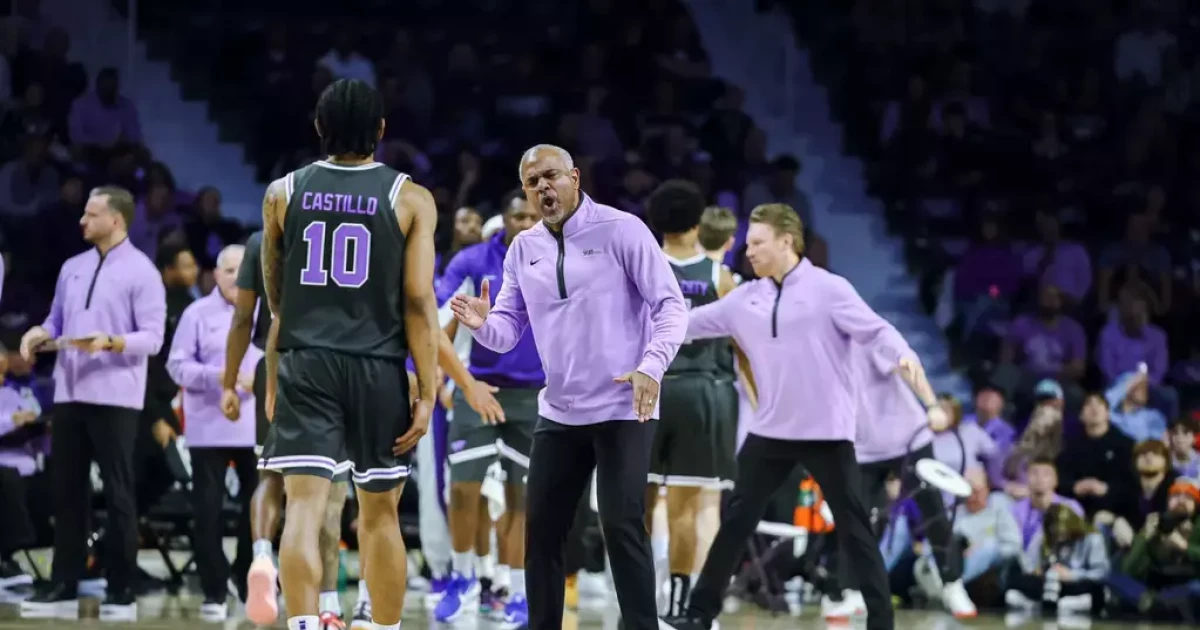
Jerome Tang Fired: K-State Avoids $18.67M Payout After "Embarrassing" Comments
In a dramatic turn of events that sent shockwaves through the college basketball world, Kansas State University has officially parted ways with head men's basketball coach Jerome Tang. The decision, confirmed by Athletic Director Gene Taylor, came just days after Tang publicly berated his team following a particularly dispiriting loss, labeling their performance as "embarrassing" and questioning their commitment to the university's legacy. This high-stakes dismissal, executed "for cause," carries significant financial implications, potentially saving K-State a substantial $18.67 million payout that remained on Tang's contract through 2030.
The firing of the Kansas State coach marks a swift and decisive end to a tenure that began with promise but ultimately spiraled into a disappointing season. The university's official statement highlighted not only the program's overall direction but also recent public comments and conduct as factors that did not align with K-State's standards for supporting student-athletes and representing the institution.
The "Embarrassing" Comments That Sealed Tang's Fate
The catalyst for Tang's termination stemmed from a post-game press conference on Wednesday, February 11th. Following a crushing defeat, a visibly frustrated Tang did not hold back, delivering a scathing assessment of his team's performance. "This was embarrassing," Tang stated unequivocally, adding a sentiment that would reverberate nationally: "These dudes do not deserve to wear this uniform, and there will be very few of them in it next year."
He continued, expressing deep personal and institutional shame: "I'm embarrassed for the university, I'm embarrassed for our fans. Our student section." Tang admitted to being "pissed" and described the situation as "just ridiculous," emphasizing the historical pride associated with wearing the K-State purple. "These dude's got to have some pride, man. It means something to wear a K-State uniform... They don't love this place, so they don't deserve to be here." These unvarnished remarks, amplified across traditional and social media, quickly drew national attention, creating an unavoidable spotlight on the struggling program and its frustrated coach.
Such strong public criticism of student-athletes, particularly from a head coach, often raises eyebrows in modern college athletics. While tough coaching is a staple of competitive sports, the line between motivating and demoralizing can be thin, and Tang's comments were widely perceived to have crossed it, ultimately leading to the university's swift action. The swift response from the university underscores the growing emphasis on athlete welfare and the careful management of institutional reputation in the highly scrutinized world of college sports.
The High Stakes of a "For Cause" Termination: $18.67 Million at Risk
The most significant financial implication of Tang's departure lies in the "for cause" nature of his termination. Athletic Director Gene Taylor clarified that the decision was made for cause, a contractual term that allows the university to void the remainder of a coach's contract without paying the hefty buyout. For Tang, this meant the remaining $18.67 million on his deal, which extended through the 2030 season, was at stake.
Taylor explained that the "for cause" clause in Tang's contract specifically addresses "certain things that can potentially bring embarrassment" to the university. He explicitly cited Tang's comments about the student-athletes and the subsequent negative reaction from both national and local sources as the primary justification for triggering this clause. This strategic move by K-State aims to protect its financial interests while also sending a clear message about the standards it expects from its leadership.
However, the concept of "for cause" termination in coaching contracts can often lead to legal disputes. Jerome Tang, in a statement shared with ESPN, expressed deep disappointment and "strongly disagree[d] with the characterization of my termination." He asserted, "I have always acted with integrity and faithfully fulfilled my responsibilities as head coach," and reiterated his pride in what he helped build at K-State. This divergence in views suggests that the matter might not be entirely settled, and the specifics of the "for cause" determination could potentially face legal scrutiny, adding another layer of complexity to the coaching change.
Beyond the Blame: A Look at K-State's Disappointing Season
While Tang's comments served as the immediate trigger, they were undoubtedly a culmination of a season steeped in frustration and underperformance. The Wildcats, who made a remarkable Elite Eight run in Tang's inaugural 2022 season, had plummeted to the bottom of the Big 12 conference. Their record stood at a dismal 10 wins and 15 losses overall, with an even more concerning 1 win and 11 losses in Big 12 play. This stark decline from previous success placed immense pressure on the coaching staff and players alike.
The fan base, once energized by the team's early success under Tang, had grown increasingly disillusioned. During the February 11th game, a visible protest unfolded in the stands, with some fans wearing paper bags over their heads – a symbolic gesture of shame and frustration. Chants for Tang's firing also reportedly emerged. When asked about the paper bags in his post-game press conference, Tang himself acknowledged the sentiment, stating, "I'd wear a paper bag, too, if I was them." This moment, perhaps intended as an empathetic gesture, inadvertently highlighted the profound disconnect and disappointment surrounding the program.
The struggle extended beyond just the win-loss record; the team's overall trajectory and perceived effort became a point of contention. In competitive environments like the Big 12, consistent performance and a demonstrable commitment to the program's values are paramount. The sustained losing, coupled with the highly public criticism from the head Kansas State coach fired, created an untenable situation that the university ultimately felt compelled to address.
The Future of K-State Basketball: What's Next for the Wildcats?
With Jerome Tang's departure, Kansas State immediately moved to name associate head coach Matthew Driscoll as the interim head coach. Driscoll now faces the unenviable task of guiding a fractured and underperforming team through the remainder of a challenging season. His immediate priorities will include restoring player morale, fostering team cohesion, and attempting to salvage some semblance of positive momentum for the program.
Looking ahead, the university will embark on a critical coaching search. This process will undoubtedly focus on finding a leader who not only possesses the strategic acumen to compete in the rigorous Big 12 but also embodies the university's values regarding student-athlete development and public representation. The next Kansas State coach will need to inspire confidence, rebuild trust within the program, and reignite the passion of the fan base.
Practical steps for the athletic department in the coming weeks and months will include:
- Stabilizing the Current Roster: Working with interim coach Driscoll to ensure current players remain committed and supported.
- Engaging in a Thorough Search: Identifying candidates with proven track records of success, strong player relationships, and excellent communication skills.
- Articulating Clear Expectations: Ensuring the new head coach understands and aligns with K-State's institutional standards for conduct and player welfare.
- Recruitment Strategy: Developing a robust plan to attract top talent, emphasizing a positive and supportive team culture.
The events surrounding Tang's firing serve as a stark reminder of the intense pressures in college sports, where winning is paramount, but institutional integrity and athlete well-being are increasingly non-negotiable. The university's decision highlights a growing trend among institutions to prioritize reputation and ethical conduct alongside athletic performance.
The firing of Jerome Tang as the Kansas State coach represents a pivotal moment for K-State basketball. While the immediate aftermath is undoubtedly challenging, it also presents an opportunity for the university to reset, reaffirm its values, and build a program that excels both on and off the court. The coming months will be crucial in shaping the next chapter for the Wildcats, as they seek to move past the recent controversy and chart a course toward sustained success and positive representation.