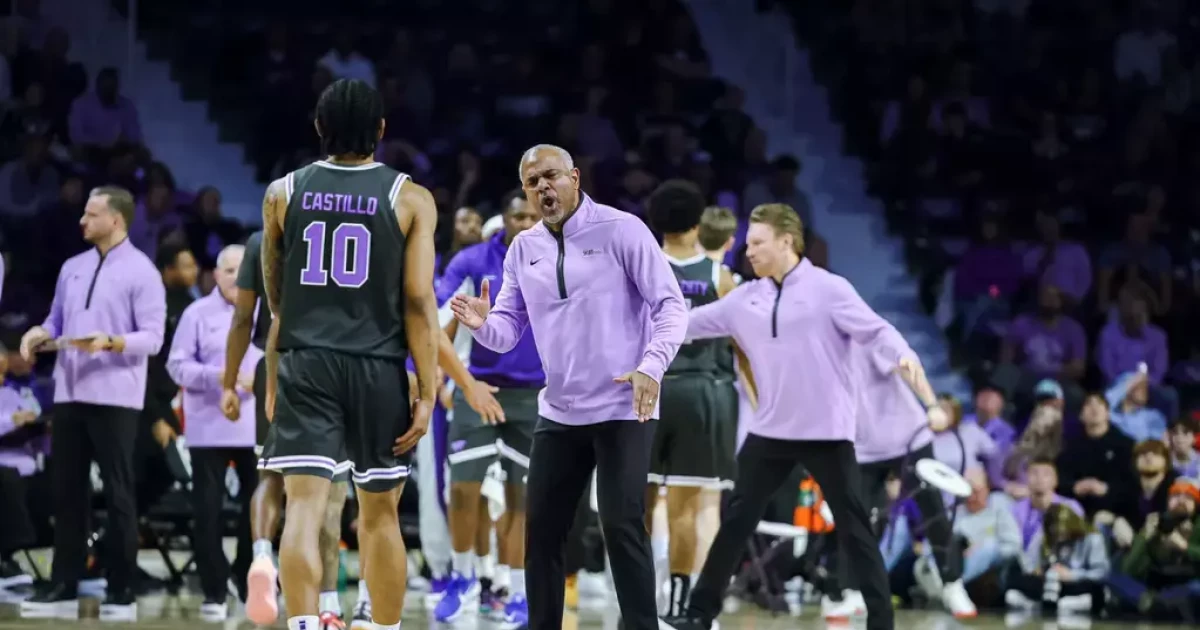
Kansas State Fires Jerome Tang: Player Criticism Leads to "For Cause" Termination
In a stunning development that has sent ripples through the college basketball world, Kansas State University has officially parted ways with head men's basketball coach Jerome Tang. The decision, confirmed by Athletics Director Gene Taylor, came swiftly after Tang's highly publicized and scathing criticism of his players following a disappointing loss. This isn't just a standard coaching change; K-State has announced Tang's termination as "for cause," a move that carries significant financial and reputational implications for both parties involved. The firing underscores the increasing pressure on college coaches to manage not only on-court performance but also player relations and public perception in an era of heightened scrutiny.
The Inciting Incident: A Public Rebuke Gone Wrong
The catalyst for Tang's dismissal originated from an emotionally charged press conference on Wednesday, February 11th. Following a crushing defeat that further deepened the Wildcats' struggles, Tang unleashed a tirade against his team. His words were unequivocal and cutting:
- "This was embarrassing. These dudes do not deserve to wear this uniform, and there will be very few of them in it next year."
- "I'm embarrassed for the university, I'm embarrassed for our fans. Our student section."
- "These dude's got to have some pride, man. It means something to wear a K-State uniform. It means something to put on this purple, man... They don't love this place, so they don't deserve to be here."
Tang, who was in his fourth season at the university, admitted to having "no words" for the loss, describing the situation as "just ridiculous" and confessing he was "pissed." These comments, made publicly and broadcast nationally, quickly attracted widespread attention. While coaches often express frustration, Tang's remarks crossed a line for many, leading to questions about player morale, team culture, and the appropriate boundaries of professional conduct in college athletics.
The team's performance leading up to this outburst was certainly bleak. After a surprising Elite Eight run in Tang's inaugural season (2022), the Wildcats had regressed significantly. Their current record stood at a dismal 10 wins and 15 losses for the season, with a particularly woeful 1 win and 11 losses in the highly competitive Big 12 conference, placing them squarely in last place. This poor showing undoubtedly amplified the emotional weight of Tang's words, turning a moment of frustration into a critical misstep.
"For Cause" Termination: The Financial and Reputational Stakes
The crucial detail in this story is the "for cause" nature of Jerome Tang's termination. This designation is rarely invoked in high-profile coaching dismissals and signifies that the university believes Tang's actions constituted a material breach of his contract. If K-State can successfully prove this "for cause" termination, they would be exempt from paying the remaining $18.67 million on Tang's contract, which was set to run through 2030. This enormous financial sum highlights the gravity of the university's decision and their firm stance against Tang's recent conduct.
Athletics Director Gene Taylor elaborated on the university's reasoning in a press release and to reporters, stating, "Recent public comments and conduct, in addition to the program's overall direction, have not aligned with K-State's standards for supporting student-athletes and representing the university." He further clarified that there is "language in his contract that addresses certain things that can potentially bring embarrassment." Taylor specifically cited "his comments about the student-athletes and the negative reaction to those comments from a lot of sources, both nationally and locally," as the trigger for the decision. This indicates that the university considered the public backlash and the potential damage to its brand and its commitment to student-athlete well-being as paramount.
Unsurprisingly, Tang strongly refutes the "for cause" characterization. In a statement shared with ESPN, he expressed his deep disappointment and asserted, "I have always acted with integrity and faithfully fulfilled my responsibilities as head coach... I remain proud of what we built together and confident that I have always acted in the best interests of the university and our student-athletes." This divergence in interpretation sets the stage for a potential legal battle, as both sides defend their positions regarding the termination terms.
For athletic departments, navigating such situations requires careful legal counsel and a clear understanding of contract stipulations. While coaches are expected to motivate and hold players accountable, there's a delicate balance between fostering discipline and publicly shaming young athletes. The modern landscape of college sports emphasizes athlete welfare and mental health, making a coach's public disparagement of players a particularly sensitive issue. This incident serves as a stark reminder of the immense pressure on coaches and the need for meticulous communication strategies, especially when dealing with public criticism. You can delve deeper into the financial implications by reading Jerome Tang Fired: K-State Avoids $18.67M Payout After "Embarrassing" Comments.
The Broader Context: A Season of Disappointment and Fan Frustration
While Tang's public comments were the immediate cause, the underlying discontent stemmed from a season that had spiraled downwards. After an initial surge of excitement under Tang, marked by an Elite Eight appearance in his debut season, the program had struggled to maintain momentum. The recent string of losses, including their defeat against the Houston Cougars just two days after Tang's press conference, cemented their last-place standing in the Big 12. This consistent underperformance exacerbated tensions and fueled frustrations among the fan base.
The fan reaction was palpable even before the official announcement. During the February 11th game, many fans in the stands resorted to wearing paper bags over their heads, a symbolic gesture of embarrassment and shame. Some openly called for Tang's dismissal. When asked about this during his infamous press conference, Tang himself acknowledged the sentiment, stating, "I'd wear a paper bag, too, if I was them." This response, while perhaps intended to show solidarity with the fans, inadvertently underscored the depth of the team's and the university's perceived disgrace. For more context on the season's unraveling, see Kansas State Basketball Shocker: Tang Out Amid "Embarrassing" Season & Player Remarks.
The saga highlights the immense pressure faced by college basketball coaches. Success, especially early success, often sets high expectations that can be incredibly difficult to sustain. When results falter, public and institutional patience wears thin. This situation demonstrates how critical it is for coaches to not only deliver wins but also to manage their public image, maintain positive relationships with their players, and align with the core values of the university they represent.
Looking Ahead: Interim Leadership and the Search for a New Era
With Jerome Tang out, Kansas State has swiftly appointed associate head coach Matthew Driscoll as the interim head coach. Driscoll now faces the immediate challenge of stabilizing a fractured locker room and guiding a team through the remainder of a difficult season. His immediate priorities will likely include rebuilding player morale, fostering a sense of unity, and attempting to salvage some dignity in their remaining games.
For Kansas State, the search for a new permanent head coach begins immediately. The university will be looking for a leader who can not only bring competitive success back to the program but also someone who embodies the institution's values, prioritizes student-athlete well-being, and can navigate the complexities of modern college athletics with grace and integrity. The next coach will need to:
- Restore Morale: Rebuild trust and confidence among the current players and potential recruits.
- Articulate a Clear Vision: Present a compelling plan for on-court strategy, player development, and academic success.
- Exhibit Strong Communication Skills: Effectively engage with players, staff, alumni, and the media, avoiding the pitfalls that led to Tang's departure.
- Commit to University Values: Uphold the standards of sportsmanship, respect, and ethical conduct expected of a K-State representative.
The task for the K-State athletics department will be to conduct a thorough and discreet search, identifying candidates who possess the right blend of coaching prowess, leadership qualities, and a proven track record of positive team culture. The goal will be to usher in a new era for Kansas State basketball, one defined by both competitive excellence and unwavering commitment to its student-athletes.
The firing of Jerome Tang serves as a powerful reminder of the delicate balance coaches must strike in college sports. While passion and a desire to win are paramount, the manner in which criticism is delivered, especially publicly, can have profound consequences. Kansas State has made a clear statement about its commitment to its standards and the welfare of its student-athletes, even at significant financial risk. As the Wildcats move forward under interim leadership and begin their search for a new head coach, the focus will undoubtedly be on healing, rebuilding, and charting a course toward future success both on and off the court.